Selling Gold in San Antonio, TX: Tax, Dealer Rules & the Military-Collection Market
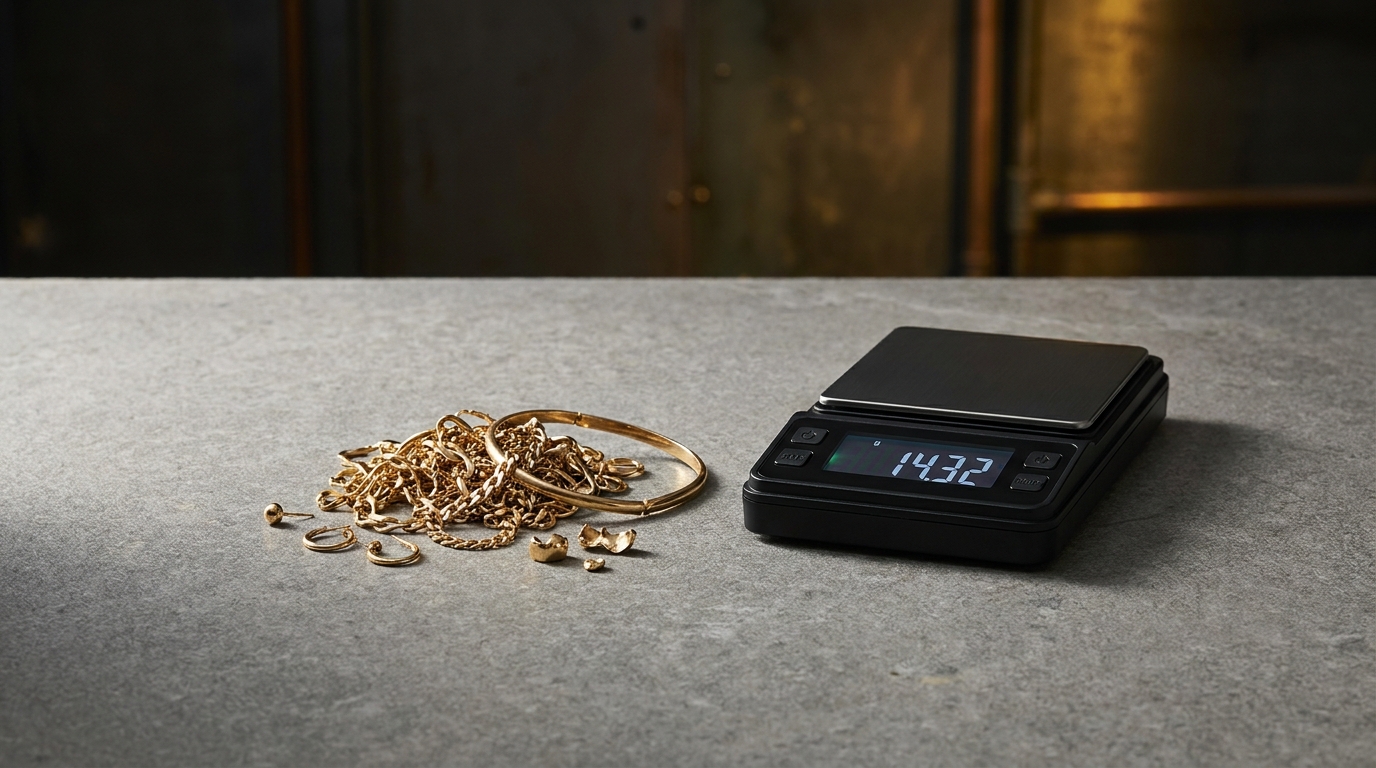
San Antonio sellers get two tax breaks other states do not: Texas exempts gold, silver and platinum from sales tax, and with no state income tax there is no state capital-gains tax on a sale. Palladium is the exception, and the local rules are what you should check before you walk in.
The tax picture in Texas
The controlling rule is Texas Tax Code § 151.336, which exempts the sale of gold, silver or numismatic coins, and of platinum, gold or silver bullion, from sales tax. That covers collectible and numismatic coins, not just bullion bars and rounds. The $1,000 minimum-purchase threshold that used to condition the exemption was removed effective October 1, 2013 under House Bill 78; the bill's own analysis said the old rule pushed Texans buying in modest increments to cross into surrounding states. Since 2013 there is no dollar floor.
The second break matters more to sellers than buyers. Texas imposes no state income tax, so there is no state capital-gains tax when you sell metal at a profit. Federal rules on collectibles still apply to your return; that is between you and the IRS, not the counter.
The palladium trap
The exemption names only gold, silver and platinum. Palladium is not listed and is taxable. A major dealer confirms it in practice: tax is collected on palladium bullion products, palladium bullion coins, certain currency, certain copper products, accessory items and processed items, with everything else exempt. If you are selling a mixed lot, know which pieces fall inside the exemption and which do not before you agree on a price.
Who has to register, and what that tells you
Two different Texas frameworks touch the people you might sell to. Texas Occupations Code Chapter 1956 governs crafted precious metal dealers, and its carve-out is the useful part: a crafted precious metal dealer is registered to buy and sell precious metal items except coins, bars, commemorative medallions, or items bought for 105% or more of scrap value. In plain terms, a shop paying near-melt for your chain is operating under different obligations than one buying a graded coin as a collectible. Anyone acting as a crafted precious metal dealer must register with the Office of Consumer Credit Commissioner (OCCC). The statute's definition of "precious metal" is broad, covering gold, silver, platinum, palladium, iridium, rhodium, osmium, ruthenium or an alloy of those.
Transaction reporting is not an OCCC function. The OCCC tells dealers to contact local law enforcement where they do business. That points to a gap worth naming: we could not confirm San Antonio's own ordinance text on dealer registration, hold periods or reporting to SAPD. Austin and El Paso publish such programs; assume San Antonio has reporting requirements of its own and ask the dealer how they handle it. If you are cleaning out an estate, that paper trail protects you as much as anyone.
The military-collection angle
San Antonio's collector base is shaped by its bases. As of 2025, Joint Base San Antonio is home to 74,713 direct employees, including 33,256 active-duty personnel, and the affiliated population contributed at least $53 billion to the Texas economy. JBSA includes Lackland, home of the 37th Training Wing, the largest training wing in the U.S. Air Force, with slightly more than 2,900 personnel and over 9,000 students across four training groups and one academy, plus students from 15 partner countries in Latin America.
Why this matters at the counter: a steady flow of service members and retirees means the local market sees military-themed coins, commemoratives and inherited collections more than most cities. Because § 151.336 exempts numismatic coins as well as bullion, a graded or commemorative piece sells without sales tax the same way a Krugerrand does. Get coins with collector value appraised as coins, not weighed as scrap.
Where local collectors gather
The Gateway Coin Club, established in 1962, runs the area's shows and holds bi-monthly meetings with numismatic auctions and educational programs. Membership is open to all ages for a $6.00 annual fee. Its two annual shows run at the Schertz Civic Center, 9am to 4pm, $2.00 adult admission and free parking, with 2026 dates listed for February 28 and May 16. Note the venue is in Schertz, a northeast suburb, not the city proper. A show floor is a fast way to get a second read on a coin before you sell.
Some Texas context, not local landmarks
You may hear about the Texas Bullion Depository, the nation's only state-run bullion depository, opened for business June 6, 2018 under House Bill 483. It sits on a 10-acre campus in Leander, near Austin, roughly 90-plus miles from San Antonio. It is storage infrastructure, not a place to sell a bracelet, so treat it as state background rather than a local option.
Before you sell
Check the current gold price the morning you go, and know your metal's weight and purity. Separate anything that might carry collector value from what is genuinely scrap, since the two are appraised differently. Our guides on selling coins and bullion and scrap gold walk through both. If you are comparing Texas markets, the Houston and Dallas pages cover the same statute from a local angle.
Sources
This page is informational. Figures and rules cited are accurate as of the review date above and can change.
Last reviewed August 9, 2026.
Get a quote before you sell
Use the live calculator to see what your gold is worth at today’s spot price — weight, karat, and a real number, not a range.
Calculate now →