Selling Gold in Memphis, TN: Tax Rules & Dealers
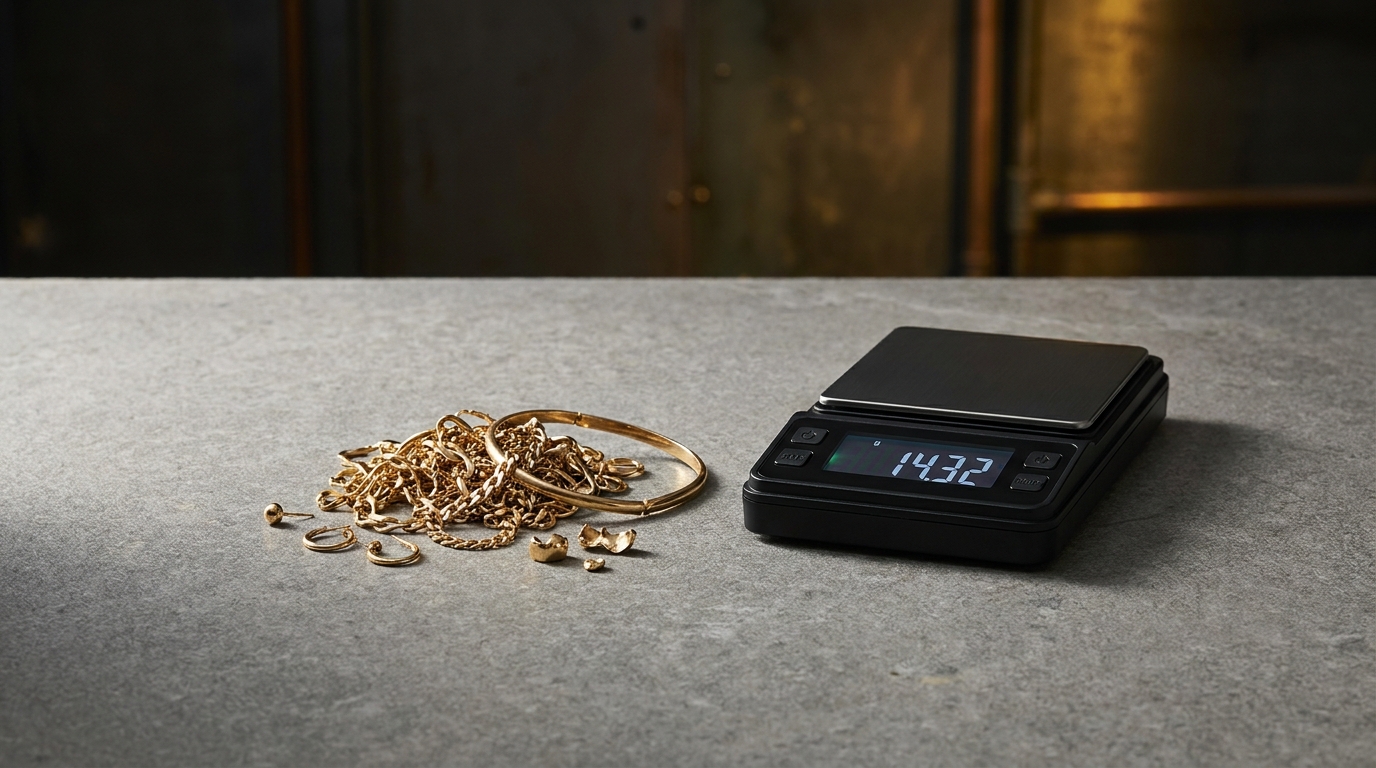
Tennessee's 2022 precious-metals exemption zeroed out up to 9.75% sales tax on gold bullion in Memphis — Shelby County sat at the top of the local rate range. Before selling anything, know whether your item qualifies as bullion or jewelry: the law treats them differently.
Tax on Buying and Selling Metal in Memphis
Tennessee eliminated sales tax on qualifying precious metals on May 27, 2022. Public Chapter 1092 created a full exemption under TCA Title 67, Chapter 6 for coins, currency, and bullion manufactured from gold, silver, platinum, or palladium and sold based primarily on intrinsic or collectible value. The exemption covers all four metals with no minimum purchase threshold and no purity requirement.
Before 2022, Tennessee's statewide sales and use tax was 7%, and with Shelby County's local addition, buyers in Memphis paid up to 9.75% on metal purchases — the top of the local rate range statewide. That cost is now zero for qualifying material at both the state and local level.
Tennessee ranked 36th on the Sound Money Index in 2022; after the exemption passed, it rose to 9th in the 2023 ranking — a move of 27 places in one legislative session.
The Jewelry Carve-Out
The exemption does not cover ornamental jewelry. Items valued for craftsmanship rather than metal content fall outside Public Chapter 1092. A gold necklace sold because it is attractive is not treated the same as a bullion coin sold at melt value. If you are bringing in jewelry rather than bullion, review how scrap gold is priced — the margin structure and tax treatment are both different, and most buyers handle them on separate terms.
No State Capital Gains Tax
Tennessee imposes no state income tax on individuals, which means there is no state-level capital gains tax when metal is sold at a profit. Federal capital gains tax still applies. Memphis sellers owe Tennessee nothing on the gain itself — only the federal return matters for that calculation.
Pawn Shop Rules and Rate Caps
Memphis has 23 verified pawn shops and buy/sell stores operating in the city as of 2026, concentrated along Summer Avenue, Lamar Avenue, and the South Memphis corridor. The sector reflects a manufacturing and logistics economy with persistent demand for short-term liquidity against jewelry and electronics.
Tennessee sets a hard ceiling on pawn charges under TCA § 45-6-210: no pawnbroker may charge more than 2% interest per month on the loan advance, plus a fee not exceeding 20% of the loan advance. That fee covers title investigation, storage, insuring pledged goods, closing the loan, and making daily reports to local law enforcement — all bundled into the 20% cap. The combined ceiling is 22% of the loan amount per month. No other charges of any description are permitted.
TCA § 45-6-219 preempts all local pawn regulation. Memphis city government cannot set interest rates, fee limits, licensing requirements, or operating restrictions that differ from state law. The TCA § 45-6-210 ceiling applies uniformly to every pawnbroker in Shelby County — no local exceptions, stricter or otherwise.
Economic Context
Memphis median household income is $51,736, roughly 33% below the U.S. median as of 2020–2024 American Community Survey estimates. The city's poverty rate stands at 19.0% per Census SAIPE 2024 data. Among large metro areas with populations above one million, Memphis ranks second in overall poverty and first in child poverty. Asset liquidation is not an occasional event here, and sellers who understand the pawn rate cap and the tax treatment of their specific metal before they walk in are better positioned than those who do not.
Before You Go
Check today's gold spot price before visiting any buyer. The gap between a buyer's quote and what the metal is actually worth at spot per gram is where most sellers lose ground. Establish that baseline first.
If you are selling gold jewelry, know the karat and the weight before you walk in. If you are selling coins or bullion, the bid-to-spot spread is the number that varies most between buyers — that is the figure to compare.
For large transactions, Nashville dealers about three and a half hours east are worth a phone quote. Buyer competition in a larger market can move offers enough to make the comparison worthwhile.
Sources
This page is informational. Figures and rules cited are accurate as of the review date above and can change.
Last reviewed August 30, 2026.
Get a quote before you sell
Use the live calculator to see what your gold is worth at today’s spot price — weight, karat, and a real number, not a range.
Calculate now →